
Sattva Aangane Project Plan
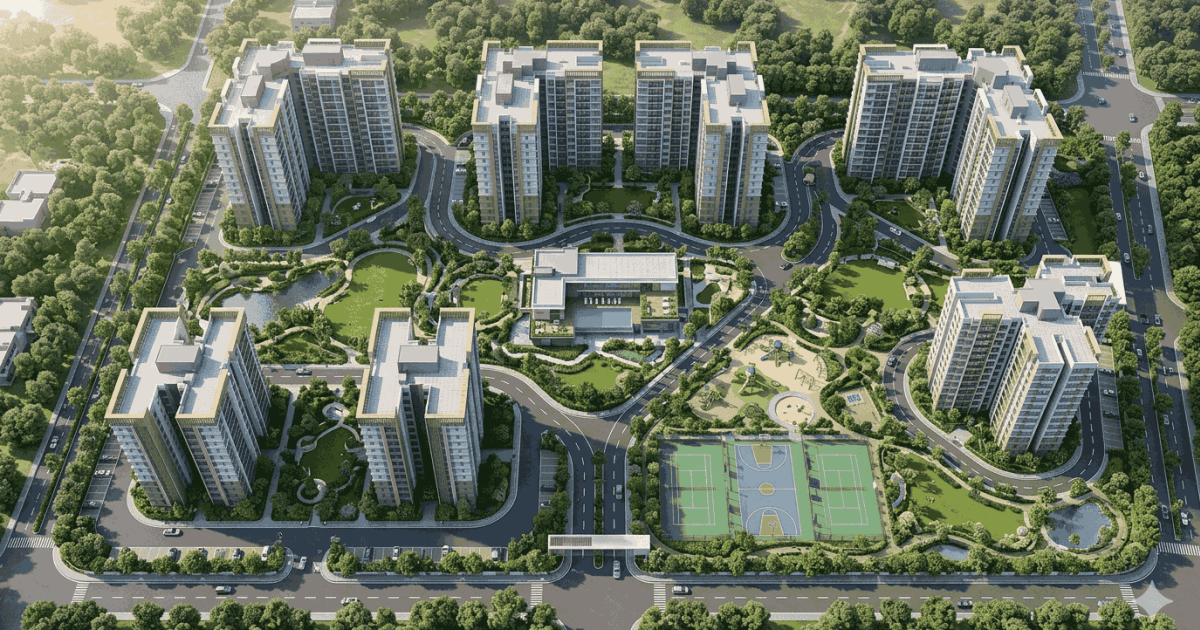
The Sattva Aangane Project Plan outlines the structural layout, land utilization, and design approach of this upcoming residential development. For buyers and analysts, understanding the project plan is crucial to evaluate space efficiency, infrastructure balance, and long-term livability.
This article breaks down the project plan into key components, focusing on layout logic, design intent, and functional planning rather than promotional aspects.
Overview of Sattva Aangane Project Plan
The Sattva Aangane Project Plan is expected to follow a multi-block residential layout with clearly defined zones for living, amenities, and open spaces. The planning approach typically reflects a balance between built-up areas and green zones.
From an analytical perspective, such projects often allocate:
A significant portion of land to open spaces
Cluster-based tower placement
Internal road networks with minimal congestion
This type of planning improves ventilation, light access, and overall spatial efficiency.
Land Use Distribution and Layout Strategy
Built vs Open Space Ratio
A key aspect of the Sattva Aangane Project Plan is how land is distributed. Modern residential planning emphasizes lower ground coverage and higher open space ratios.
This generally includes:
Landscaped gardens and walking paths
Central green zones for community use
Buffer areas between buildings
Such distribution enhances environmental quality and reduces density-related issues.
Tower Placement and Orientation
The positioning of residential towers plays a major role in livability. In most structured plans:
Towers are placed to avoid direct facing units
Adequate spacing ensures privacy and airflow
Orientation considers sunlight patterns
This indicates a design approach focused on long-term comfort rather than maximum unit density.
Internal Infrastructure Planning
Road Network and Access
The Sattva Aangane Project Plan likely includes a well-defined internal road system. This helps manage vehicle movement efficiently while maintaining pedestrian safety.
Key features typically include:
Entry and exit points for smooth traffic flow
Dedicated pedestrian pathways
Basement or surface parking zones
A structured road network reduces congestion within residential areas.
Utility and Service Integration
Efficient planning also involves integrating essential services within the layout. These may include:
Water supply and drainage systems
Power backup infrastructure
Waste management zones
Proper placement of utilities ensures minimal disruption to residential spaces.
Amenity Zoning and Community Spaces
Centralized vs Distributed Amenities
The Sattva Aangane Project Plan may adopt either centralized or distributed amenity zones. Centralized planning clusters amenities in one location, while distributed planning spreads them across the layout.
Common inclusions:
Clubhouse or community center
Sports and fitness areas
Children’s play zones
The choice of zoning affects accessibility and crowd distribution.
Open Space Utilization
Open areas are a defining part of modern project plans. Instead of unused land, these spaces are designed for active and passive use.
Typical features include:
Walking tracks and seating areas
Green lawns and landscaped zones
Recreational pockets
This approach supports both social interaction and personal relaxation.
Analytical Perspective: Planning Efficiency
The Sattva Aangane Project Plan reflects broader trends in urban residential design, where efficiency is measured not just by unit count but by usability of space.
Key indicators of a well-planned project include:
Balanced density and open space
Logical circulation patterns
Functional zoning of amenities
These elements contribute to long-term sustainability and resident convenience.